Delta advances fleet efficiency with VCT Finlets across 737NG fleet
The implementation of a finlet modification package from Vortex Control Technologies is a key part of Delta's sustainability strategy, resulting in lower fuel consumption and reduced carbon emissions.

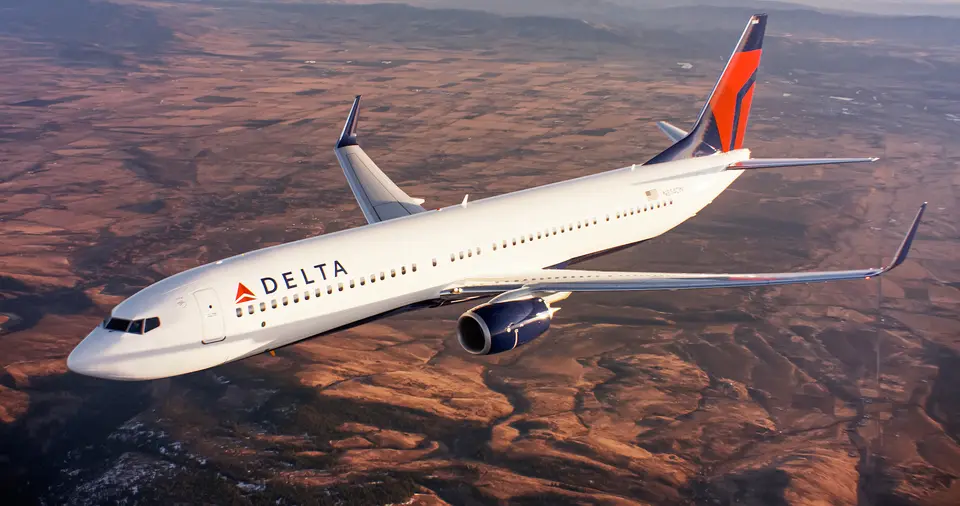

Delta Air Lines will install a finlet modification package from Vortex Control Technologies (VCT) across its Boeing 737-800 and 737-900ER fleet, bringing the enhancement to 240 aircraft once installation has been completed. The decision follows a comprehensive technical collaboration and in-service evaluation between the two companies, including analysis of flight test data, operational trends and engineering review of aerodynamic performance.
How Finlets work
Finlets are aerodynamic devices installed on the aft fuselage of an aircraft that reshape airflow, reduce drag and improve fuel efficiency. All aircraft generate vortices in flight, particularly at the wing tips and aft fuselage. VCT’s Finlets reduce flow separation and improve the pressure distribution along the aft fuselage, resulting in lower fuel consumption and reduced carbon emissions.
“Equipping these Boeing 737-800 and 737-900ER fleets with Finlets represents a significant milestone for VCT. We are proud to provide a practical technology that helps airlines improve fuel efficiency, reduce carbon emissions and enhance operating economics,” said Gil Morgan, Chief Executive Officer of Vortex Control Technologies.
Building on proven fleet modification work
The finlet implementation builds on Delta’s ongoing fleet modification approach and was cemented with safety and strategy in mind, driven by a rigorous evaluation process. The assessment encompassed flight test validation, analysis of operational trends and engineering review of aerodynamic performance using computational fluid dynamics (CFD) analysis on Delta's 737NG aircraft.
Delta’s decision to equip its Boeing 737-800 and 737-900ER fleet with Finlets reflects the airline’s continued focus on reducing fuel consumption, lowering emissions and improving operational efficiency through practical, data-driven solutions.
Sustainability as an operational commitment
With approximately 90% of Delta’s carbon emissions originating from jet fuel consumption, initiatives such as Finlets play an important role in improving fleet efficiency while supporting the airline’s broader sustainability objectives.
"Delta seeks out partners and innovations that enhance performance, reduce environmental impact and generate long‑term operational benefits,” said Amelia DeLuca, Delta's Chief Sustainability Officer. “We appreciate the strong partnership with VCT throughout the evaluation process and are looking forward to this implementation to further support our ongoing fleet efficiency initiatives."
By moving forward with this sustainability program, Delta continues to advance its environmental commitments, driven by the dedication and hard work of the teams that made the evaluation possible.
© 2026 Delta Air Lines, Inc.